AU
AU
 AT
AT
 BE
BE
 BG
BG
 CA
CA
 HR
HR
 CY
CY
 CZ
CZ
 DK
DK
 EE
EE
 FI
FI
 FR
FR
 DE
DE
 GR
GR
 GG
GG
 HU
HU
 IE
IE
 IM
IM
 IT
IT
 JE
JE
 LV
LV
 LT
LT
 LU
LU
 MT
MT
 NL
NL
 PL
PL
 PT
PT
 RO
RO
 SK
SK
 SI
SI
 ES
ES
 SE
SE
 GB
GB
 US
US
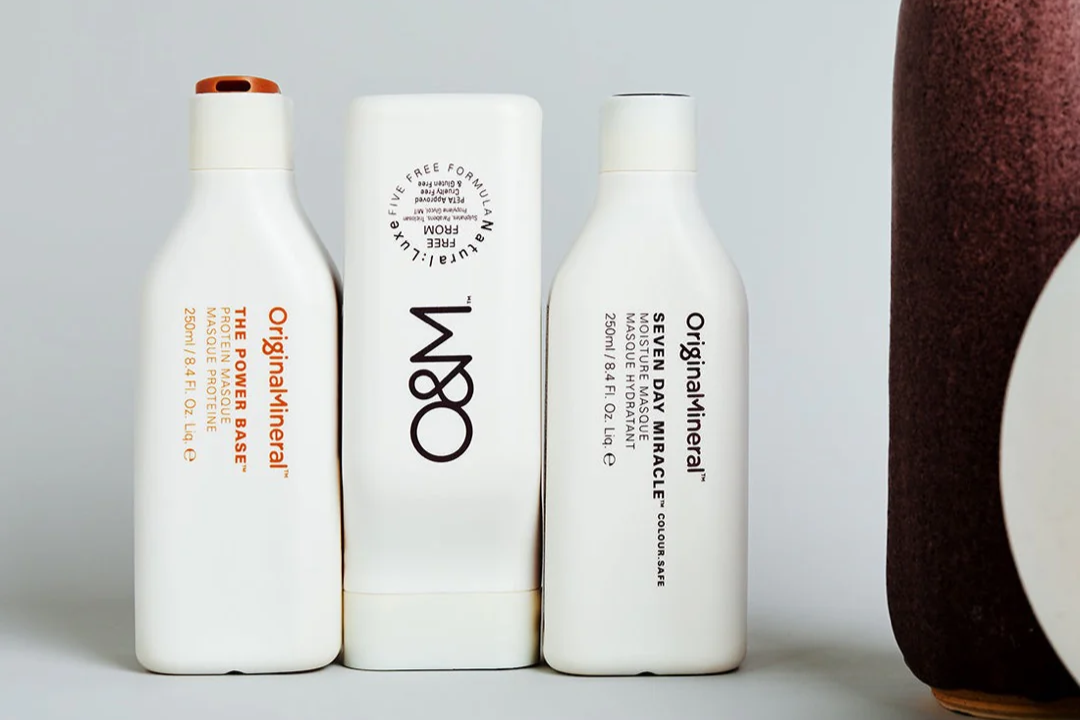
How To Make Your Hair Colour Last Longer: Salon Secrets From O&M’s European Education Manager
In our latest Skincare & Beyond episode, O&M’s European Education Manager Bruno Cloutier shares the salon secrets behind longer-lasting colour, healthier hair and why the products you use at home matter more...

There is nothing quite like fresh salon colour. The shine. The gloss. That very specific feeling of leaving the chair convinced your hair has its life together, even if the rest of you does not.
But then life happens. You wash it. You style it. You go to the gym. You stand under water that is probably warmer than your colourist would like. Suddenly, that bright blonde feels a little warmer, that brunette looks a little duller, and that expensive colour appointment feels like it is fading faster than expected.
So, what actually makes our hair colour fade? And more importantly, what can you do at home to help keep it looking fresher for longer?
In our latest episode of Skincare & Beyond, we sat down with Bruno Cloutier, European Education Manager at O&M, the Australian professional haircare brand known for cleaner, colour-conscious formulas and salon-level performance.
With years of salon education experience, Bruno works closely with hair professionals to help them understand colour, hair health, product performance and the kind of at-home habits that can make or break your results. So naturally, we asked him the questions every one of us who gets our hair coloured wants answered.
Why Does Hair Colour Fade?
When Bruno speaks to clients about coloured hair, the same concerns come up again and again. “The most common concerns are how the colour is going to fade, the brassiness, the warmth,” he says. “They hate when it looks orange, they hate when it looks yellow, and the quality of the hair as well.”

According to Bruno, colour fade is rarely down to one thing. It is usually a combination of factors. “You have three main causes of damage for the hair or for the colour,” he explains. “Chemical damage, mechanical damage and sun damage.”
That means your colour is being affected by what happens in the salon, what happens at home, how you style it and even how much environmental exposure your hair has day to day.
The good news? Some of those things are within your control. The even better news? They do not all require a 12-step hair routine and a degree in colour chemistry.
The Biggest Colour Damage Culprits
1. Chemical Damage
Chemical damage is often the biggest one, especially when lightning is involved. “I would say chemical damage is the worst,” Bruno says. “This is the strongest one."
“Hair is like a carrot,” he explains. “If you take a carrot and you start peeling a carrot, and you keep peeling and you keep peeling, what happens? It goes thinner, thinner, thinner, until you have no more carrot.”
It sounds funny, but it makes complete sense. When hair is lightened, especially from dark to blonde, you are not simply adding a new colour on top. You are lifting pigment out of the hair. That process can leave the hair weaker, more fragile and more in need of structural support.
As Bruno says, “The hair is not just dehydrated, it’s weakened. So you need protein, you need structure to repair the hair as well.” That is why aftercare matters so much for colour-treated hair. Hydration is important, but if the hair has been chemically lightened, it may also need strengthening support to help it feel more resilient.
2. Mechanical Damage
Then there is mechanical damage, which is the damage we can easily create at home without really thinking about it. “Mechanical damage will be blowdry, straightening, curling iron,” Bruno explains.
Essentially, it is the daily styling. The quick pass of the straighteners. The hot tool touch-up. The blow-dry you do on a higher heat because you are running late and your hair is refusing to cooperate.
Now, nobody is saying you have to break up with your styling tools. But heat protection, the right tools and being mindful of how often you use heat can all make a difference to how your colour and condition hold up.
3. Sun Damage
Sun damage can also play a role, especially if your hair is coloured, lightened, or already feeling dry.
Just like skin, hair can be affected by UV exposure. Colour can look duller, warmth can come through more quickly, and strands can feel more fragile after time in the sun. This is especially worth thinking about on holiday, during warmer months or if your hair is exposed outdoors often.
What You Can Actually Control At Home
When asked what clients can control at home, his answer is refreshingly straightforward: “The number of times you wash your hair at home, which products you use, heat protection and the tools you use.” That is the real home-care checklist. Not perfection. Not panic. Just the habits that quietly affect how your colour behaves between appointments.

To explain how washing impacts colour, Bruno uses the red T-shirt test, “If you have a beautiful red T-shirt and wash it in cold water once a week, that’s fine,” he says. “If you wash the same red T-shirt three times a week in warm water, which one is going to fade the quickest?” Exactly. The warm, over-washed one.
Hair colour works in a similar way. The more frequently you wash, especially with warmer water or the wrong products, the faster colour can lose its freshness. This is particularly true for shades that are more prone to fading or tonal shifts, such as reds, coppers, brunettes, blondes and fashion colours.
“If you purchase a very expensive handbag or expensive shoes but never look after them, it doesn’t make sense,” Bruno says. “It’s the same thing if you spend so much on your colour but use very bad shampoo and products.”
Why Colour-Safe Shampoo Really Matters
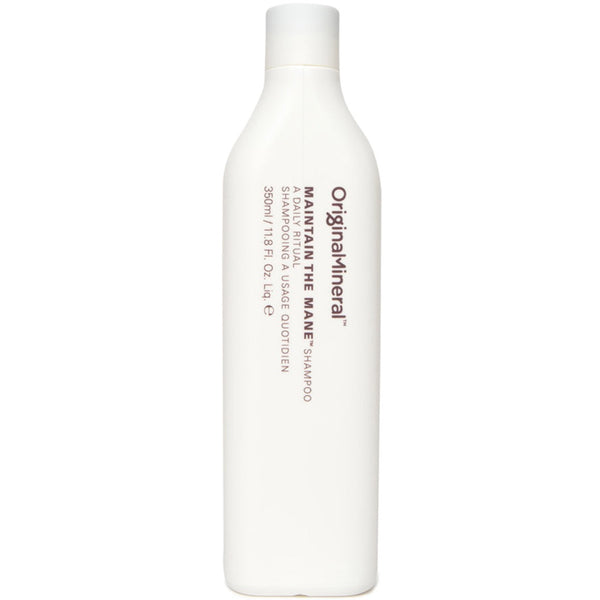
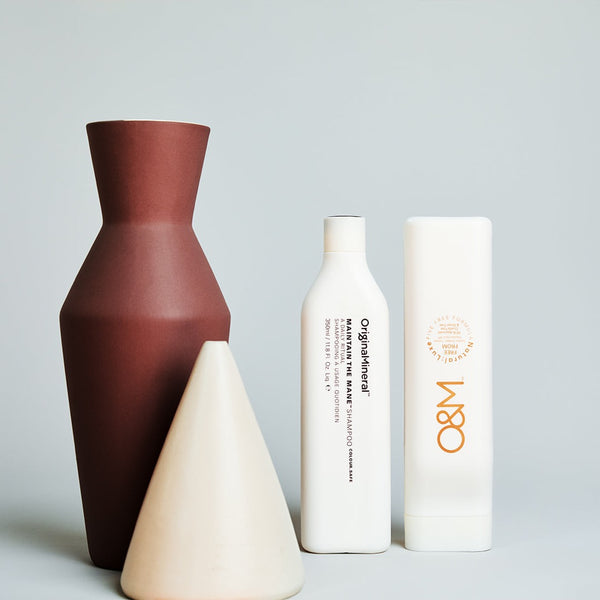
A colour-safe shampoo will not freeze your hair colour in time. No shampoo can promise that. Bruno is very clear on this: “A colour-safe shampoo is never going to save the colour 100%, but you have ingredients inside that are going to slow down the fading process.”
Colour-safe haircare is about slowing the fade, supporting the condition of the hair and helping your colour stay looking fresher for longer.

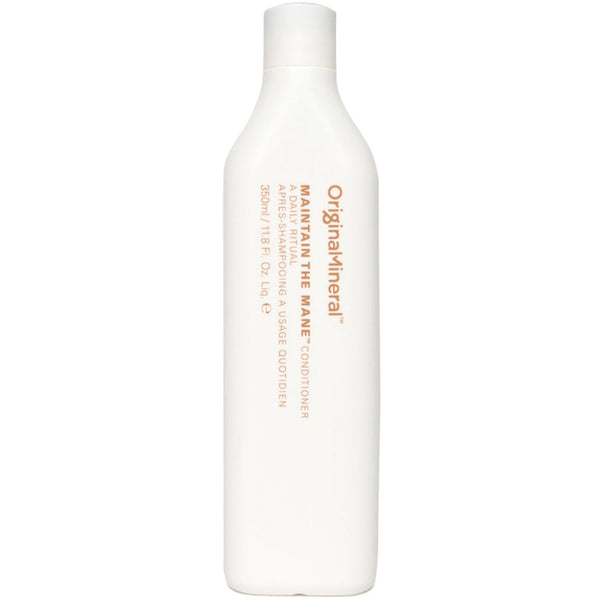
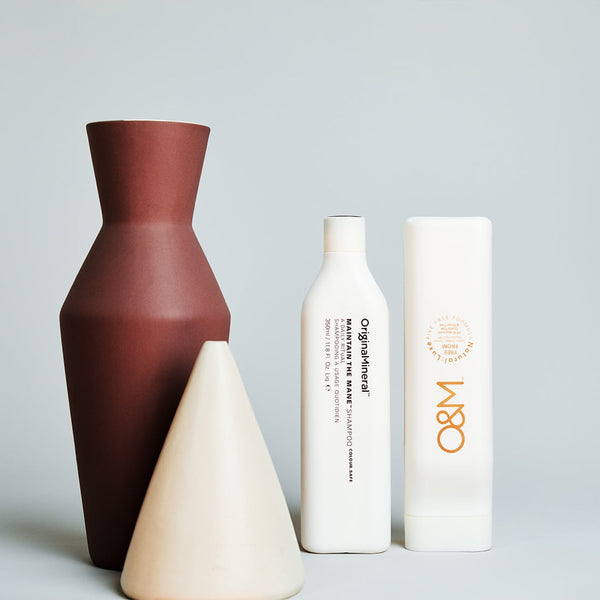
Bruno explains that O&M uses natural ingredients to help retain colour as much as possible, alongside Australian botanicals that support hair condition. This includes ingredients such as coconut oil and macadamia oil, as well as Australian desert harvest ingredients including Davidson plum and lemon aspen. These are chosen to help support the hair, preserve condition and care for colour-treated strands.
Bruno also explains that O&M shampoos and conditioners are made with around 92% to 96% naturally derived ingredients, while avoiding ingredients such as parabens, sulphates, MIT, triclosan, propylene glycol and sodium chloride.
Bruno’s Post-Colour Haircare Routine
After a colour appointment, the first rule is simple: give your colour a little time to settle. “I always ask my clients to wait at least 48 hours so the colour can completely settle before washing again,” Bruno says.
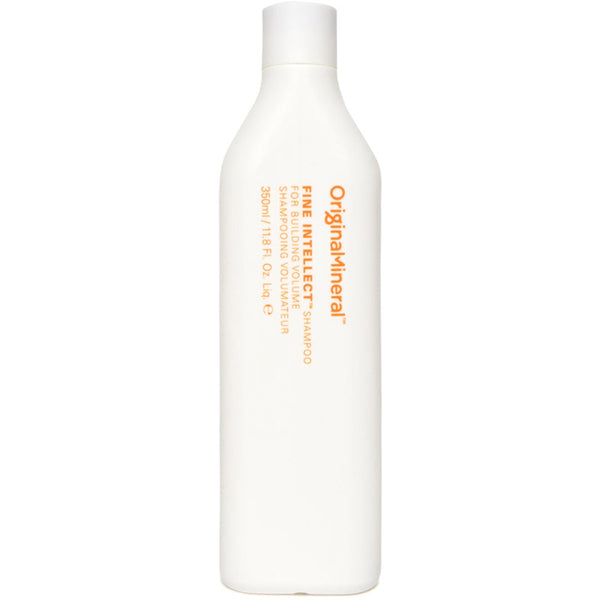
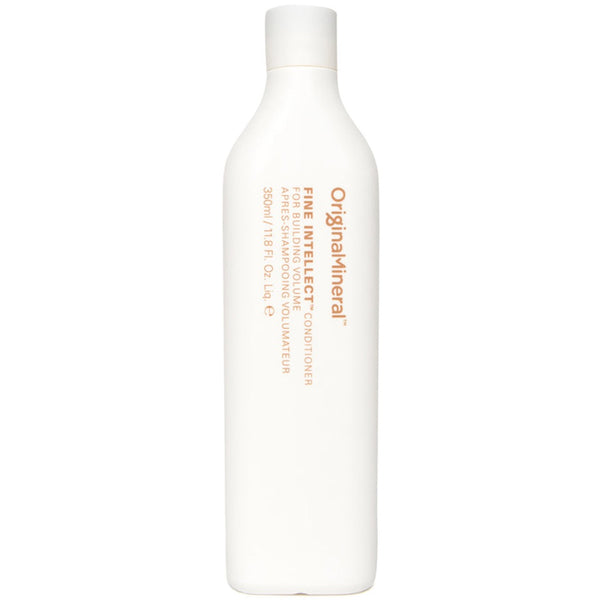
Once you do wash, your shampoo and conditioner should depend on what your hair actually needs. If your hair feels flat, you may want volume. If it feels dry, hydration is the focus. If it has been lightened or feels fragile, repair and strengthening support may be more important.
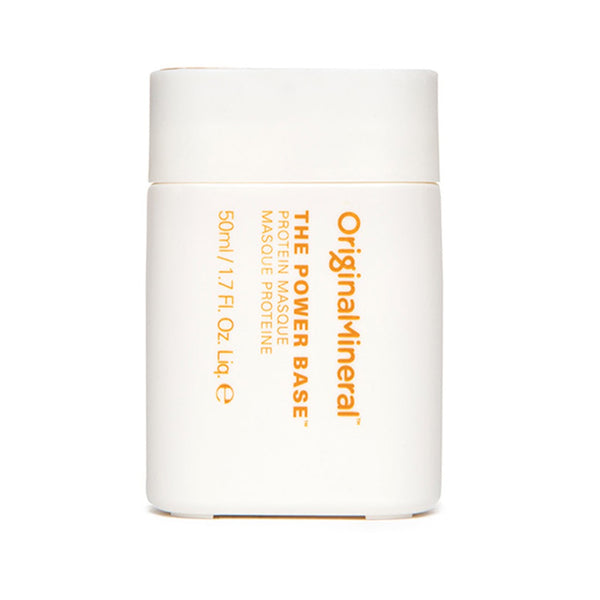
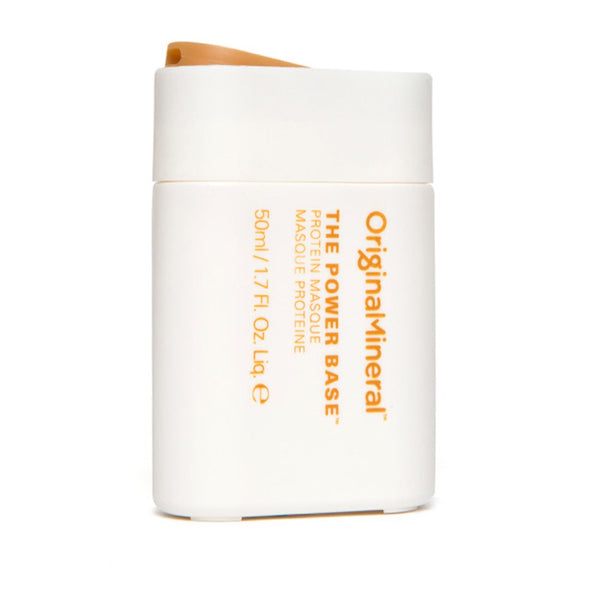
Bruno also recommends bringing a mask into your post-colour routine. After shampooing, apply your mask, leave it for around 10 minutes, then rinse. It is a simple step, but it can make a noticeable difference to how soft, supported and manageable colour-treated hair feels.
Then comes one of Bruno’s most useful tips: stop using dry shampoo only as a last-minute rescue mission.

A lot of us wait until our roots are already oily, our style has collapsed and the hair is giving 'please wash me' before reaching for dry shampoo. Bruno has other ideas.
“A lot of people use dry shampoo when the hair is really dirty,” he says. “I’m like, girl, just wash your hair.”
Instead, he recommends using dry shampoo preventatively after a fresh wash and blow-dry. Think of it less as a fixer and more as a blow-dry bodyguard. “If you wash your hair, do your blow-dry and put dry shampoo on it, you’re going to preserve the longevity of your blow-dry,” Bruno explains.
Used this way, dry shampoo can help absorb oil as it appears, extend your style and reduce how often you feel the need to wash. For coloured hair, fewer unnecessary washes can help support longer-lasting colour too.
Build Your Routine


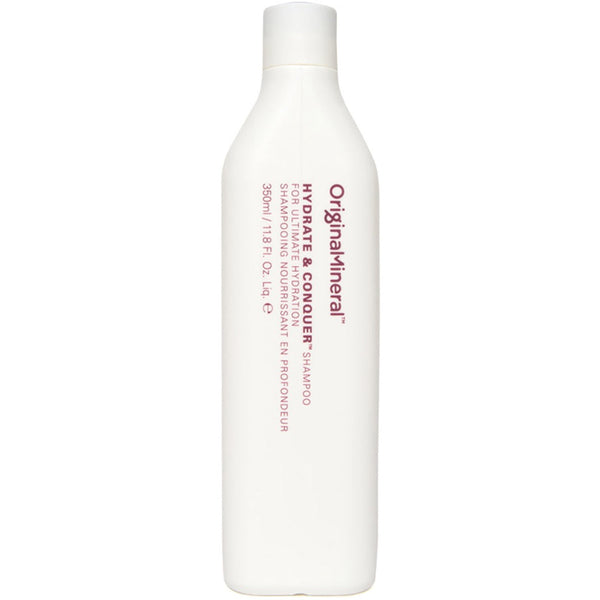
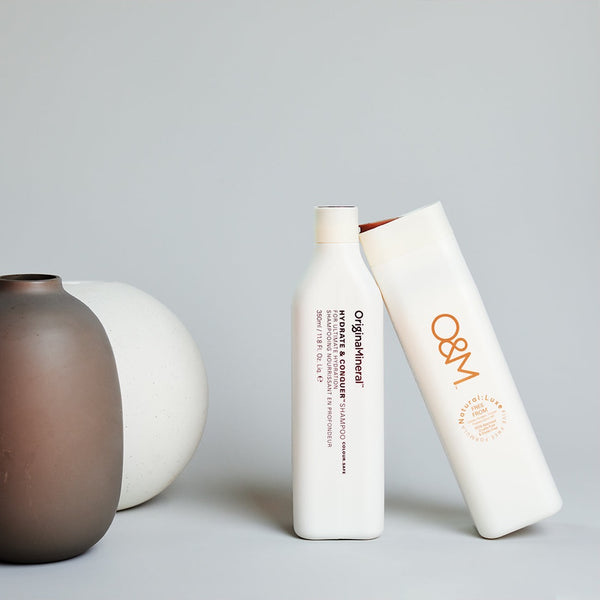
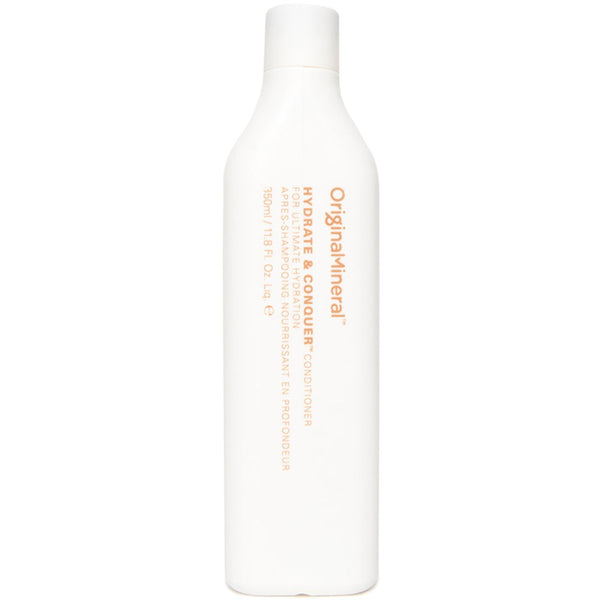

How Often Should You Wash Coloured Hair?
There is no perfect wash schedule for everyone. Hair type, scalp type, lifestyle, gym habits, styling products, water type and how oily your roots get can all influence how often you need to wash.
But when it comes to colour, Bruno’s red T-shirt analogy is worth keeping in mind.
Focus on keeping the temperature cooler instead of how often you're washing it. Cooler water is generally gentler on colour. It is not the most glamorous advice, but if you want your colour to stay looking fresher, turning the temperature down a little can help.
Also just focus on using natural products too over harsh chemicals that strip and fade your hair. A colour-safe shampoo and conditioner can help slow fading, while harsher formulas may strip colour faster or leave the hair feeling drier.
Why Professional Haircare Is Worth The Investment
Lower-cost products may sometimes work, but Bruno explains that they can often rely on cheaper ingredients or simpler formulas. “The research, the advance is bigger,” he says. “It really takes the time to be customised for what we’re looking for.”

For colour-treated hair, where the condition, tone and longevity of the colour all matter, investing in the right aftercare can be the difference between hair that fades quickly and hair that holds onto that salon-fresh feeling for longer.
“Taking the time to invest in a quality product helps with your colour fading and your scalp condition as well,” Bruno says.
It comes back to that handbag analogy. If you have invested in the colour, the cut, the gloss, the toner and the salon time, your at-home products are not the afterthought. They are part of the result.
Discover O&M At Face The Future
Bruno’s advice is a reminder that colour care does not stop when you leave the salon.
The way you wash, the temperature of the water, the products you use, how you style, how you protect your hair and even when you reach for dry shampoo can all affect how your colour looks and feels between appointments.
O&M brings together cleaner formulas, professional performance and colour-conscious care, helping you build a routine that works for your hair. Whether you are looking for hydration, repair, volume, detoxing or longer-lasting colour, there is an O&M routine to support your next good hair era.
Listen to the full episode of Skincare & Beyond with Bruno Cloutier, European Education Manager at O&M, and discover O&M at Face the Future.