What Is UV Safety? A Complete Guide To Protecting Your Skin
UV safety is about more than avoiding sunburn. From understanding UV levels to knowing when to protect your skin, here’s your complete guide to safer everyday sun care.

UV safety is usually something we remember once the sun feels impossible to ignore. The first iced coffee outside. The bank holiday garden plans. The holiday beauty bag. That familiar 'has anyone packed SPF?' moment five minutes after sitting down in full sun.
But the way we think about UV needs a little reframing. The British Beauty Council’s UV Safety Initiative report highlights how sunbathing and tanning can be glamorised online, with some young people actively seeking out days and destinations with the highest possible UV Index to tan. When you put it like that, UV starts to look less like something to chase for colour and more like something to understand properly.
UV is not only something to think about when it feels hot enough to notice it. It can be present on cooler days, through clouds, and during those bright spring afternoons that feel harmless. It can also come from artificial sources, including sunbeds.
The British Beauty Council’s landmark report brings the importance of this into focus, stating:
“Overexposure to ultraviolet (UV) radiation from both natural and artificial sources represents a severe, yet entirely preventable, public health crisis in the UK.”
UV safety is not about avoiding the sun or feeling worried every time we have a warm day. Instead, focus on how strong the sun's exposure may be and the small protective steps that protect you and your skin in the long term.
What Is UV Safety?
UV safety is about understanding how much ultraviolet radiation your skin and eyes may be exposed to and making considered choices to protect yourself. It is the reason we check the UV Index, apply broad-spectrum SPF, seek shade during the strongest part of the day, cover exposed areas with clothing, and wear sunglasses.
What matters here is balance. UV is part of daylight, and small amounts help our body produce vitamin D, which supports our bones, blood cells, and immune system. The concern is overexposure: too much UV, too often, without enough protection.
As the British Beauty Council report explains:
“UV safety starts with an understanding of the dose of UV an individual is receiving on a daily basis.”
What Is UV?
UV stands for ultraviolet radiation. It is emitted by the sun. Unlike visible sunlight, UV cannot be seen, which makes it easy to underestimate. Your skin can be exposed before it feels it and before any signs of sunburn appear.
When we talk about UV and skin health, UVA and UVB are usually the two types you will hear about most.
- UVA is often linked with longer-term changes in the skin, including fine lines, wrinkles, pigmentation, uneven tone, and loss of firmness.
- UVB is more closely associated with sunburn. It can damage DNA in skin cells and lead to skin cancer risk.
Both UVA and UVB matter, which is why broad-spectrum sun protection is such an important part of everyday skin care.
Why Is UV Harmful?
If you have ever wondered why UV light is harmful, what you are really asking is why ultraviolet radiation can become damaging to the skin. The answer comes back to overexposure.
When the skin receives too much UV, it can damage DNA in skin cells. Over time, that damage can increase the risk of skin cancer. UV also has a visible impact on how skin looks and behaves, contributing to premature ageing, pigmentation, uneven tone, wrinkles, and loosened skin texture.
The British Beauty Council report also notes that UV radiation is classified by the World Health Organisation as a “Group 1 carcinogen.”
That does not mean every moment outdoors is something to worry about. It does mean that UV protection is not just a beauty step, or something to think about only when you are trying to avoid sunburn.
How Much UV Exposure Is Harmful?
It can be influenced by the strength of UV, how long you are exposed, the time of day, the season, your location, altitude, cloud cover, your skin tone, your skin history, and whether you are using protection.
It is also worth remembering that visible sunburn is not the only sign of UV damage. Skin can be affected before it becomes red and uncomfortable.
This is where the UV Index becomes useful. Instead of judging exposure by how warm it feels, the UV Index helps you understand how strong UV is at a particular place and time. The higher the number, the greater the potential for damage and the less time it may take for harm to occur.
The British Beauty Council report gives a clear point to pay attention to, “A UV index of 3 or above is strong enough to cause damage for some skin types”.
What Are UV Levels?
UV levels tell us how strong ultraviolet radiation is at a specific location and time. They are measured using the UV Index, an international scale designed to show the strength of sunburn-causing UV.
The scale starts at 0 and can rise to 11+, with higher numbers meaning stronger UV and a shorter time before damage may occur.
This is where UV can be misunderstood. We often use heat as our guide, but temperature and UV levels are not the same thing. A cool day can still have UV levels high enough to require protection, while a cloudy sky does not always mean your skin is fully shielded.
UV levels can change throughout the day and across the year. They are affected by the season, time of day, location, altitude, cloud cover, and how close you are to the equator.
What Does The UV Index Mean?
The UV Index gives you a simple way to understand UV strength, but the numbers only become useful when you know what they mean.

- A UV Index of 0-2 is considered low, which means there is generally a lower risk for most people.
- A UV Index of 3-5 is moderate, and this is where protection becomes more important. The British Beauty Council report describes this as, “the sort of weather we might experience on a clear, sunny spring day.”
- A UV Index of 6-7 is high.
- A UV Index of 8-10 is very high, meaning unprotected skin can be affected quickly, particularly around midday or near reflective surfaces such as water and sand.
- A UV Index of 11+ is extreme. At this level, the risk of rapid burning and damage is much higher, and limiting direct sun exposure becomes especially important.
UV Safety In The UK
It is easy to associate UV safety with holidays, heatwaves, and destinations where the sun feels stronger. But UV protection matters in the UK too, all year round. Our 365 Days of SPF report found that almost half of the UK does not apply SPF daily.

Because UK weather can be changeable, UV is often underestimated. A breezy day or a cloudy sky can make it feel as though protection is not needed, even when UV levels say otherwise.
In the UK, UV levels are often around 5-6 during the summer, with higher readings possible in exceptional conditions. Spring can also bring moderate UV levels, which is why SPF should not be saved only for the hottest days of the year.
UV Safety At Home And Abroad
UV safety matters wherever you are, but the strength of UV can vary significantly depending on location. Countries closer to the equator can experience much higher UV levels throughout the year.
On holiday, stronger UV levels can mean your skin is affected faster. You may need to reapply SPF more often.
It is also worth remembering that heat and UV strength are not the same. A breezy day by the coast or a cooler day outdoors can still expose your skin to more UV than you might expect.
How To Protect Your Skin From UV Damage
Checking the UV Index is a simple place to start. It helps you plan your protection around the actual strength of UV. Some days, that may simply mean applying your daily SPF before heading out. On others, it may mean reapplying more frequently, seeking shade, wearing a hat, or being more mindful about how long you spend in direct sun.
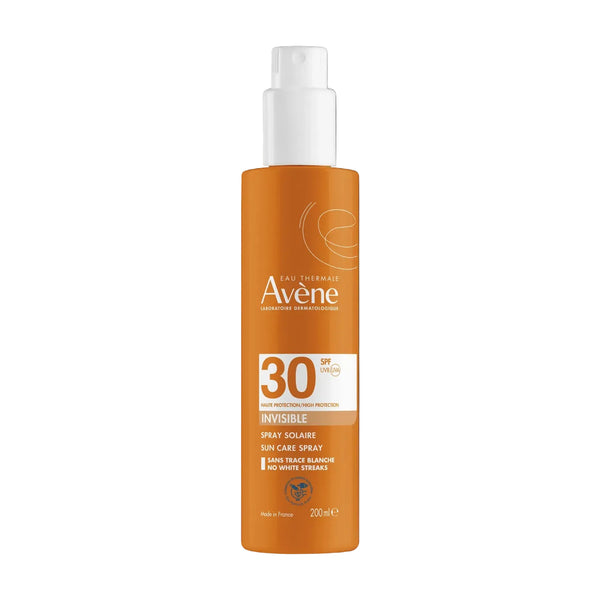
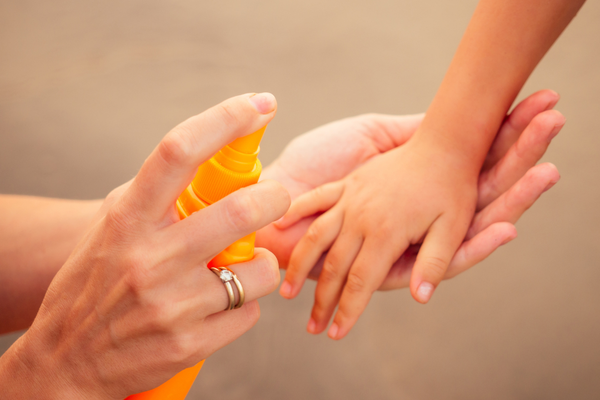
A broad-spectrum SPF helps protect against both UVA and UVB. Apply it generously and pay attention to the areas that are easy to miss, including the ears, neck, hairline, hands, and lips.
Staying in the shade particularly between 11am and 3pm when UV levels are often at their strongest. It should sit alongside SPF rather than replace it, as UV can still reach the skin indirectly.
Shop Our Favourite SPFs