Why Am I Getting Acne on My Cheeks? Causes, Triggers and Treatments
We’re looking at what causes acne on cheeks, from pillowcases and phones to hormones, inflammation and everyday environmental triggers, with expert advice on how to treat cheek acne with care.

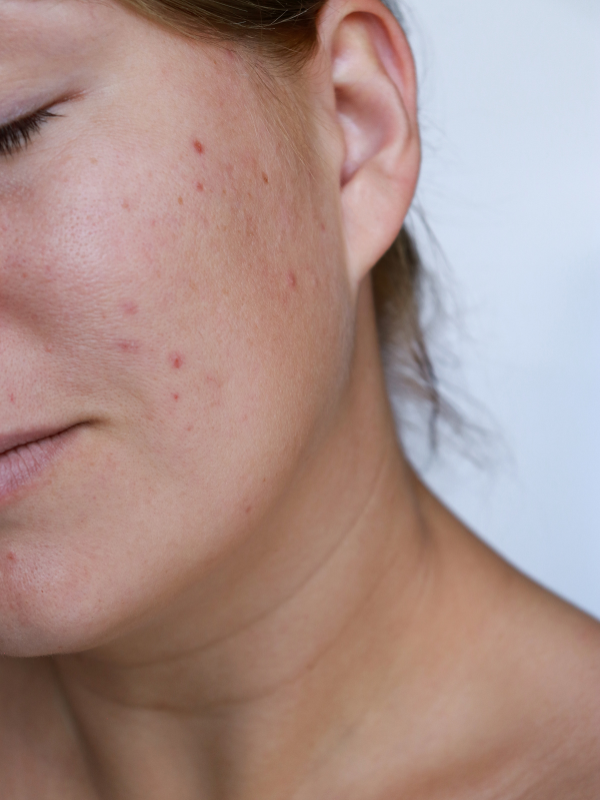
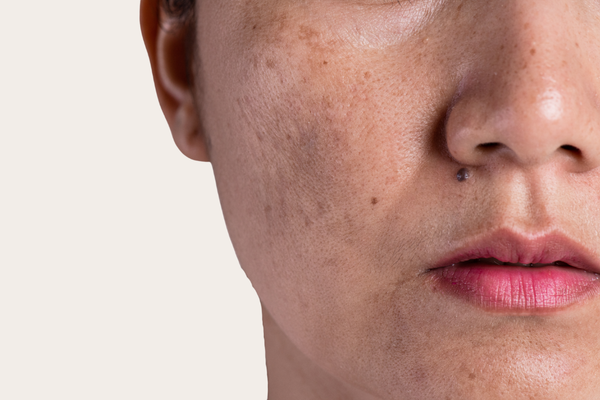
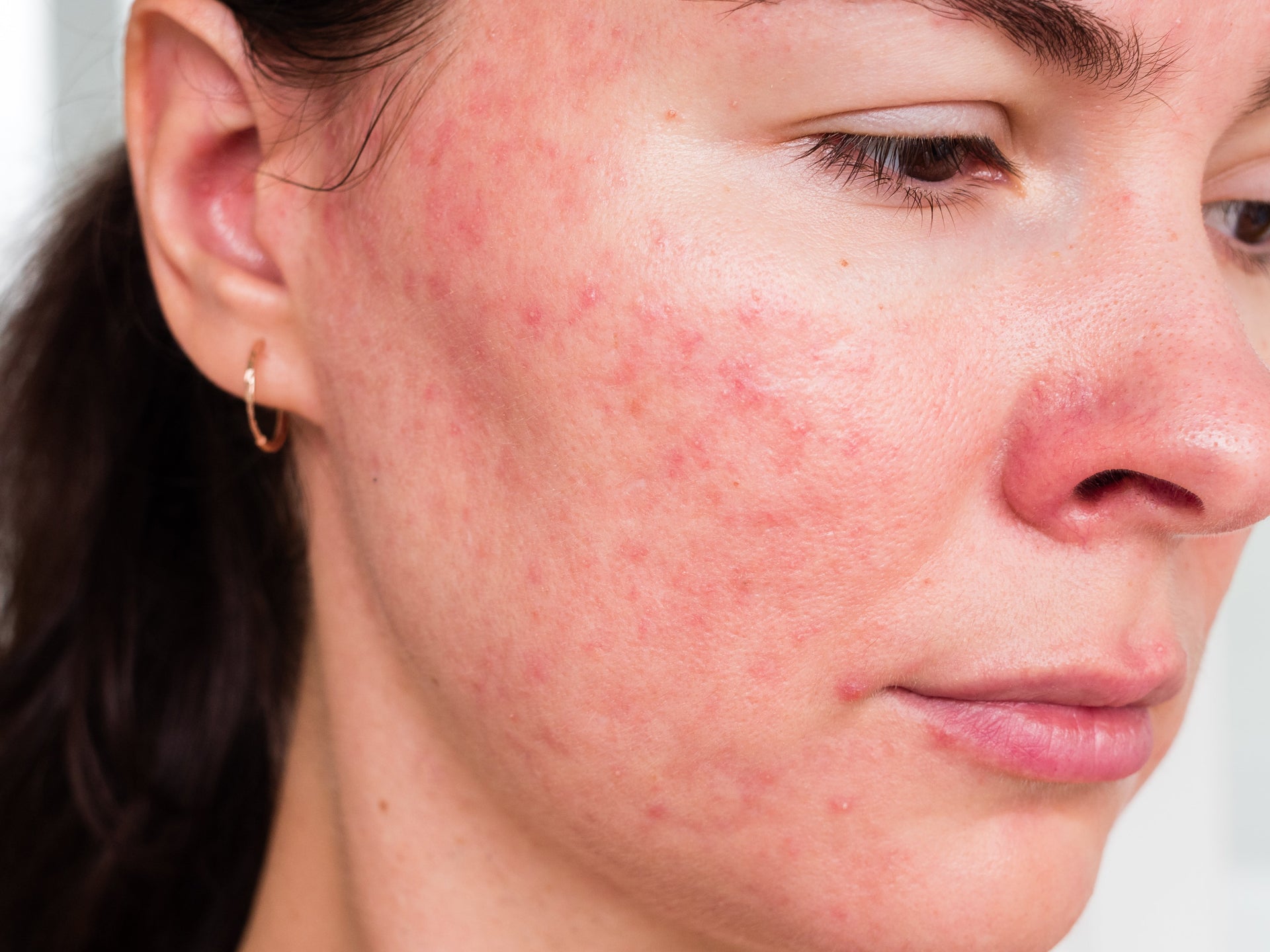
If you’ve found yourself wondering, why am I getting acne on my cheeks, and why does it always happen in this one spot? You’re certainly not alone. Cheek acne is when your acne occurs persistently in the cheek area.
As part of our Acne at Every Age campaign, we’re looking at the most common cheek acne causes, the everyday triggers you may not have thought about, and how to treat cheek acne.
Acne can happen at any age. And wherever it appears, you deserve advice that helps you understand your skin more clearly.
Why Am I Getting Acne on My Cheeks?
There are many reasons why acne may appear on the cheeks. For some people, it is linked to bacteria and blocked pores. For others, it may be connected to hormones and inflammation.
The cheeks are also an area that comes into contact with a lot throughout the day. Think phones, hands, pillowcases, hair products, makeup brushes, masks, scarves and even dust or pollution from your environment.
Suzanne, our skin expert, explains:
“Cheek acne can be caused by a combination of factors. Bacteria is common, especially when the skin is repeatedly coming into contact with hands, phones or pillowcases, but it isn’t always the only cause. Acne can show up anywhere on the face due to inflammation, hormones or changes within the skin.”

Common Cheek Acne Causes
If you’re dealing with recurring acne on your cheeks, it can help to look beyond your skincare routine and think about what touches your skin every day.
1. Environmental Stress, Pollution and Dust
Your surroundings can have a real impact on your skin. If you work in a polluted environment or are regularly exposed to dust, sweat or airborne particles, your cheeks may be more likely to feel congested.
Suzanne importantly notes, “Environmental stress can play a part, especially if you work in a polluted environment or somewhere with a lot of dust, such as construction. These particles can sit on the skin and contribute to congestion, particularly if they are mixing with oil, sweat or bacteria throughout the day.”
2. Pillowcases
If your cheek acne tends to appear more on one side (AKA the side you sleep on), your pillowcase could be one of the first things to look at.
Suzanne explains, “If breakouts are mainly appearing on one side of the face, I’d always ask someone to think about the side they sleep on. Pillowcases can collect bacteria, oil, sweat and product residue, which can keep coming back into contact with the cheek overnight.”

3. Touching Your Face
Most of us touch our face more than we realise. You might rest your cheek on your hand while working, lean into your palm while scrolling, or touch your face when you’re concentrating.
Over time, this can transfer bacteria, oil and dirt from the hands onto the cheeks. For acne-prone skin, that repeated contact may contribute to congestion and irritation.
Suzanne says, “A lot of people don’t realise how often they touch their face or rest their cheek on their hand. If you know you’re a face toucher, keeping your hands clean and becoming more aware of that habit can make a real difference.”
4. Phones
Your phone touches surfaces, hands, bags and desks throughout the day, then often presses directly against your cheek. This can transfer bacteria and oil onto the skin, while the pressure and friction may also aggravate existing breakouts.
Suzanne tells us:
“Phones are a really common trigger, particularly when cheek acne appears more on one side. Anything that repeatedly touches the skin can transfer bacteria or create friction, so it’s worth cleaning your phone screen regularly and noticing which side you tend to use.”
What Causes Acne on Cheeks Near Nose?
Acne on cheeks near the nose can feel particularly stubborn. This area may be more prone to oiliness, blocked pores and product build-up, especially where the cheeks meet the T-zone.
It may be linked to a few different things, including excess oil, makeup or SPF residue, glasses, touching the area, or congestion around the pores.
 Suzanne notes:
“Where acne appears can sometimes give us clues, but it doesn’t give us the whole answer. Acne on the cheeks near the nose may be linked to oil, congestion or contact with the area, but we still need to look at the skin as a whole.”
Is Cheek Acne Always Caused by Bacteria?
Suzanne explains, “Bacteria is commonly involved with cheek acne, but it isn’t always the main cause. Acne may also be hormonal or driven by inflammation, which is why the same treatment approach won’t work for everyone.”
A supportive approach looks at the possible triggers while keeping the skin calm, hydrated and balanced.
How to Treat Cheek Acne
How to treat cheek acne depends on what may be causing or triggering it. For many people, the first step is not adding more active products, but reducing repeated exposure to bacteria and irritation.
Start with the simple things. They may seem small, but when they happen every day, they can have a bigger impact than you think.
1. Take a 360 Approach
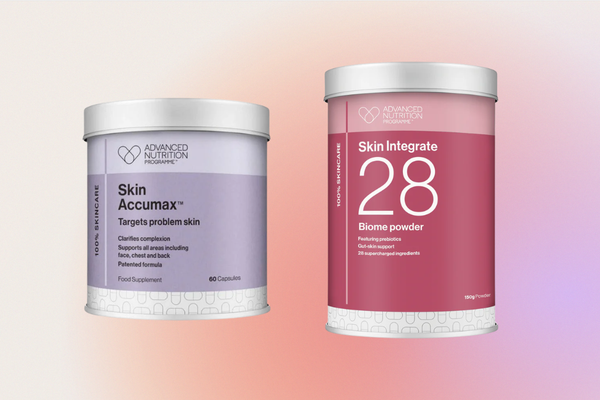
We always recommend a 360 approach to skincare, looking from the inside out. If hormones and inflammation are the root cause of your cheek acne, then it's important to look into acne supplements to support your routine too.
2. Start With Everyday Contact Triggers
Before changing your full skincare routine, look at what touches your cheeks regularly.
That includes:
- Pillowcases
- Phones
- Hands
- Makeup brushes
- Hair
- Masks or scarves
- Glasses
- Work environments with dust or pollution
To help reduce contact-based triggers, try washing your pillowcases regularly, especially if you are prone to recurring acne on your cheeks. It may also help to keep hair away from your face while you sleep, particularly if you use styling products, oils or richer overnight treatments that could transfer onto your skin.
Clean your phone screen daily, especially if cheek acne appears more on one side. If you spend a lot of time on calls, using headphones where possible can also help reduce direct contact with the cheek.
For makeup brushes or glasses, keeping them clean can help reduce unnecessary build-up on the skin.
3. Use Hypochlorous Acid for On-the-Go Support
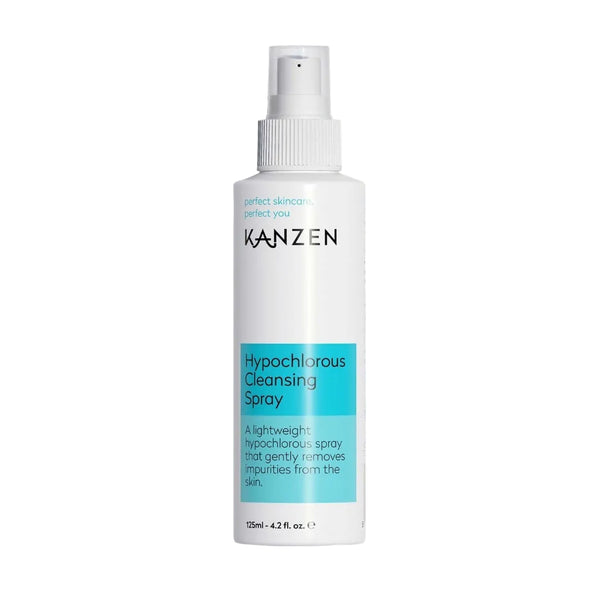
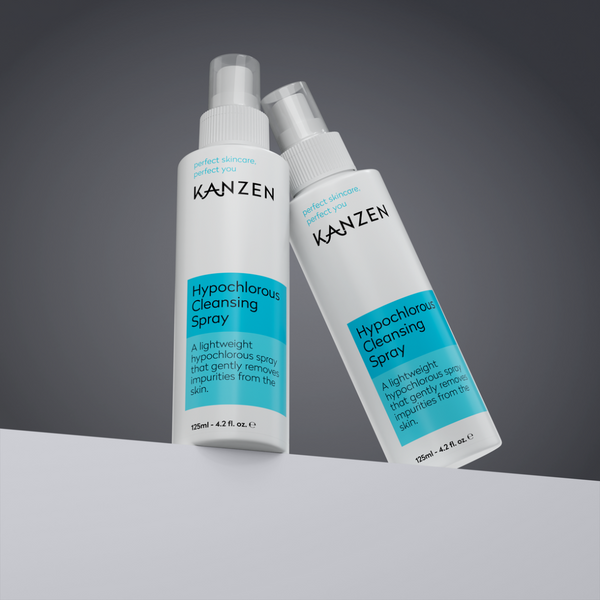
Hypochlorous acid sprays can help kill bacteria throughout the day that contribute to your cheek acne.
As her go-to advice, Suzanne tells us, “Hypochlorous acid sprays can be really useful if you know you touch your face a lot. Something like Clinisept can help reduce bacteria on the skin, and you can even spray your hands when you know you’re likely to rest them against your face.”


This can be particularly helpful for people who work at desks, commute often, spend time in dusty environments or find it difficult to stop touching their face.
4. Cleanse Away Daily Build-Up
If your cheek acne may be linked to dust, pollution, sweat, SPF or makeup, cleansing properly becomes especially important.
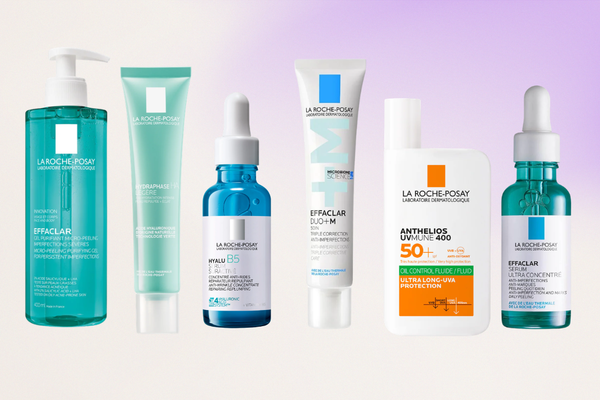
The aim is not to strip the skin, but to remove the build-up that has collected throughout the day. Choose a gentle cleanser that leaves your skin feeling clean but comfortable, not tight or squeaky.
If you work in a dusty or polluted environment, cleansing as soon as practical after heavy exposure may also help keep your skin feeling clearer and more comfortable.
Cheek Acne at Every Age
Acne is often spoken about as though it only happens during teenage years, but that is not the reality for many people. Acne can appear at any age, and the triggers can change over time.
Hormones, stress, work environments, skincare habits, lifestyle changes and skin barrier health can all play a part. Whether your breakouts are new or something you have been managing for years, the right advice can help you feel more confident in how you care for your skin.
If you need support, speak to our skincare experts for personalised guidance to find a routine that works with your skin.