AU
 AT
 BE
 BG
 CA
 HR
 CY
 CZ
 DK
 EE
 FI
 FR
 DE
 GR
 GG
 HU
 IE
 IM
 IT
 JE
 LV
 LT
 LU
 MT
 NL
 PL
 PT
 RO
 SK
 SI
 ES
 SE
 GB
 US

How to Reduce Dryness on Your Face: Treatments & Triggers
Dry skin has a habit of making itself known. Your face might suddenly feel tight after cleansing, foundation may start catching on flaky areas, or you might notice stubborn dryness around your...

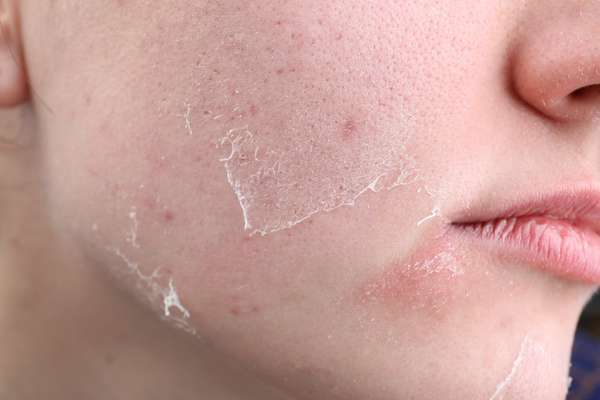
Dry skin has a habit of making itself known. Your face might suddenly feel tight after cleansing, foundation may start catching on flaky areas, or you might notice stubborn dryness around your nose and eyes that never seems to quite settle.
While the temptation can be to reach for more exfoliation or layer on as many hydrating products as possible, treating dryness on your face often starts with doing less. Understanding what is causing it, then giving your skin the support it needs to hold onto moisture, can make all the difference.
What Causes Dry Skin on Your Face?
There are plenty of reasons your skin might suddenly feel drier than usual. Cold weather and central heating can take their toll, while very hot water, over-cleansing and using exfoliating acids too frequently can leave skin feeling tight, rough or uncomfortable.
Your skin barrier can be a big part of the picture too. This outer layer helps your skin retain moisture while protecting it from external irritants. When it becomes compromised, water can escape more easily, which may leave skin feeling dry, flaky and increasingly sensitive. You can read more about the signs and how to support it in our guide to repairing a damaged skin barrier.
So, if your usual routine suddenly starts to sting or your complexion feels much less comfortable than it used to, your skin may be asking for a little more care and a little less activity.
How Do I Relieve Dryness on My Face?
When dryness appears, our Clinic Manager and Skin Expert Kimberley recommends going back to basics.
“Keep your routine simple and focus on supporting the skin barrier. Use a gentle cleanser, hydrating ingredients such as hyaluronic acid and glycerin, followed by a nourishing moisturiser. Avoid over-exfoliating and very hot water, which can make dryness worse.”
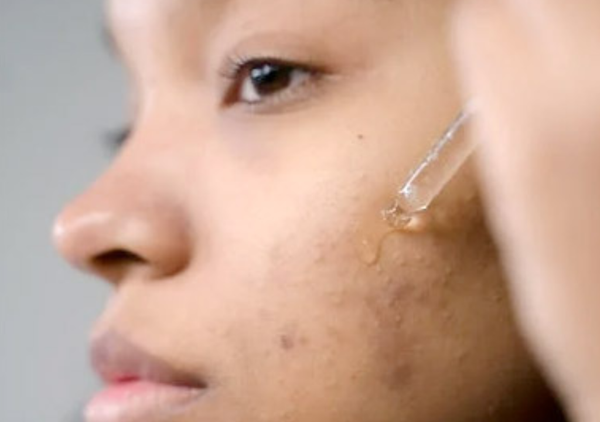
Think of your routine as building hydration back up rather than trying to scrub dryness away. Start with a gentle cleanser that leaves your face feeling comfortable after washing, then introduce hydrating ingredients before sealing that moisture in with your moisturiser.
Hyaluronic acid and glycerin are both humectants, which means they help attract water. If you want to understand where hyaluronic acid fits into your routine, our guide to using hyaluronic acid in skincare takes a closer look.
Finding the Best Moisturiser for Dry Skin
Once you have added hydration, your moisturiser helps keep it there. Rather than choosing a face cream for dry skin based on how rich it feels alone, Kimberley recommends paying attention to what is inside it.
“Look for moisturisers containing ceramides, hyaluronic acid, glycerin and nourishing lipids.”
These ingredients support dry skin in different ways. Humectants such as glycerin and hyaluronic acid help attract moisture, while ceramides and nourishing lipids support the skin barrier and help maintain a comfortable complexion.
Texture is personal too. Some dry skin types prefer a rich cream, while others feel more comfortable with something lighter layered over a hydrating serum. The best moisturiser for dry skin is ultimately one that gives your skin enough nourishment without leaving it feeling overloaded. You can browse Face the Future’s expert-curated moisturisers for dry skin to find a formula suited to your routine.
Can You Get Rid of Dry Skin on Your Face Overnight?
We know the feeling. Your skin starts flaking the evening before you want it to look its best, and suddenly you are searching for how to cure dry skin on your face overnight. There is no true overnight fix, especially if your skin barrier needs time to recover. What you can do is make that evening as gentle as possible. Skip exfoliating acids and scrubs, cleanse without stripping the skin and follow with hydrating ingredients and a nourishing moisturiser. Your skin may feel softer and more comfortable by morning, but consistency is what will make the bigger difference.
Why Is the Skin Around My Eyes So Dry?
Sometimes dryness is not across your whole face. Instead, it can settle into particular areas, with the delicate eye area being one of the most common.
Kimberley explains:
“The skin around the eyes is thinner and more delicate, making it particularly prone to dryness. Weather, dehydration, irritation, allergies and hormonal changes can all contribute. Keep the area moisturised and avoid applying strong actives too close to the eyes.”
If you notice dry skin around your eyes, take a look at where you are applying stronger actives such as retinoids or exfoliating acids. Leaving a little more space around the eye contour and focusing on gentle moisture may help it feel more comfortable.
How to Get Rid of Dry Skin on Your Nose
Your nose is another area where flakes can quickly become noticeable, especially once makeup is applied. Although scrubbing them away can be tempting, Kimberley recommends a gentler approach.
“Avoid scrubbing or over-exfoliating flaky skin. Instead, use a gentle cleanser and nourishing moisturiser to support the skin barrier. If dryness is persistent, itchy or inflamed, seek professional advice.”
That last point is particularly important if you are dealing with patches that look different from your usual dry skin. Fungal dry patches on skin and other skin conditions can sometimes be mistaken for ordinary dryness, so persistent, itchy or inflamed areas are better assessed by a healthcare professional than self-diagnosed at home.
Give Your Skin Time
When dry skin on your face appears, it can be tempting to try everything at once. Often, the kinder approach is the simpler one.
Gentle cleansing, consistent hydration and a moisturiser that supports your skin barrier can give your complexion the foundations it needs to feel comfortable again. And if the dryness continues despite changing your routine, you do not have to figure it out alone.
For personalised advice, you can explore our online and virtual skincare consultation and let our experts help you build a routine around what your skin actually needs.