SPF Myths You Need to Stop Believing
We asked our skin experts Suzanne Fleming and Kimberley Medd to debunk the SPF myths worth leaving behind, so you can protect your skin with more confidence every day.

SPF is one of the most important steps in any skincare routine, but it’s also one of the most misunderstood.
You might only reach for it when the sun is shining. Or maybe you rely on the SPF in your foundation. Or you’ve avoided it altogether because you’re worried it might clog your pores.
To help clear things up, we spoke to our skin experts, Suzanne Fleming, who has 16 years’ experience in skin, and Kimberley Medd, our Clinic Manager, who works with skin every day and has over 25 years’ experience. Together, they’re breaking down the SPF myths that are worth leaving behind.
Myth: SPF Is Not Needed When The Sun Isn’t Out
This is one of the biggest SPF myths, especially here in the UK, where let's face it, we rarely have sun-packed weeks on end. When the weather is rainy, cold and cloudy, it can be easy to assume your skin is safe from UV exposure.
But UVA rays don’t only appear on hot, sunny days.
As Kimberley explains, “UVA rays are present all year round and can penetrate into the skin, making them responsible for 80% of ageing and are present 365 days of the year through snow and rain.”
While UVB rays are more closely linked to sunburn, UVA rays can still lead to skin cancer by damaging your skin cells. UVA can also travel deeper into the skin and contribute to visible signs of premature ageing, including fine lines and loss of firmness.
That’s why daily SPF matters, even when the sun doesn’t seem to be out. Think of it less as a summer-only product and more as the final step in your morning skincare routine, all year round, to stay protected. Learn more from skin cancer survivor Jessica Zbinden-Webster on the importance of SPF every day...
Myth: You Can’t Reapply SPF Over Makeup
If you wear makeup, SPF reapplication can feel tricky. After all, no one wants to carefully apply their base in the morning, only to disturb it a few hours later.
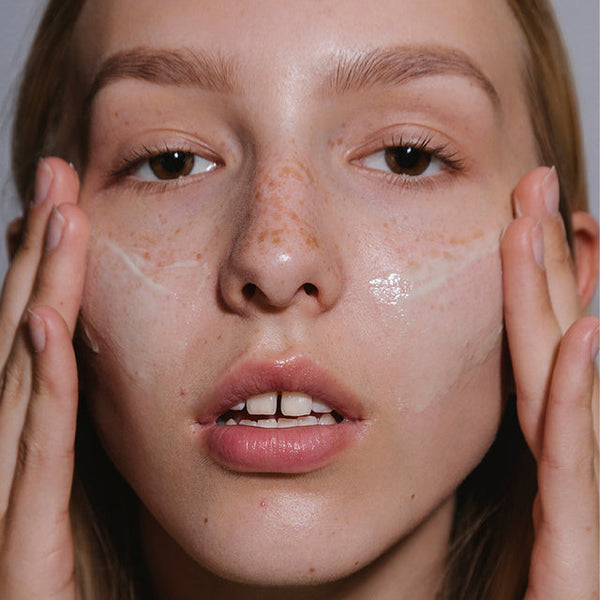
The good news? You can reapply SPF over makeup. Some formats are better used as top-ups throughout the day, so you can keep up with that re-application every two hours.
Suzanne explains, “You can apply SPF over makeup, but it shouldn't be your sole protection, only used as a top-up, in the form of a spray.” So make sure you're still applying your SPF base as your last skincare step every day before makeup too.
SPF sprays can be helpful when you’re out and about and want to refresh your protection without taking your makeup off. Tinted SPFs can also be a great option if you want to reapply while adding a little coverage back into the skin.
But the important part is this: your first layer of SPF should still be applied properly as part of your morning routine. Then, no matter if you're inside, on holiday, sweating or exposed to direct sunlight for longer periods, you’ll need to keep topping it up throughout the day. Even so, more frequently when sweating or swimming, as it can come off faster.
Myth: High SPF Means You Don’t Need To Reapply
Choosing a high SPF is a good thing, but it doesn’t mean you can apply it once and forget about it.
Kimberley says, “The higher the SPF, means you’re slightly more protected for a longer period of time, but you still need to reapply it.” This is also based on applying the correct amount needed to offer this coverage.
SPF can slip off and break down throughout the day, especially if you’re touching your face, sweating, swimming or towel drying. So, even if you’ve chosen SPF50, reapplication still matters.
As a general rule, always reapply your SPF every two hours. Yes, even if you're indoors too, those UV rays can come through your windows. If you’re swimming or sweating, you should reapply sooner.
Myth: The SPF In My Makeup Is Enough
Makeup with SPF can be a helpful bonus, but it isn’t enough to be your only form of sun protection.
The reason comes down to quantity. To get the level of protection shown on the packaging, you would need to apply much more makeup than most people realistically wear.
Kimberley explains, “You don’t use the right amount of quantity of the product, whether that's a foundation or cc cream, otherwise you’d be absolutely coated in order to give you adequate protection.”
So, while a foundation, skin tint or moisturiser with SPF can add another layer of support, it shouldn’t replace a dedicated facial SPF. Apply your SPF as the final step in your skincare routine, then follow with makeup if you want to.
Think of SPF in makeup as extra reassurance, not your main protection.
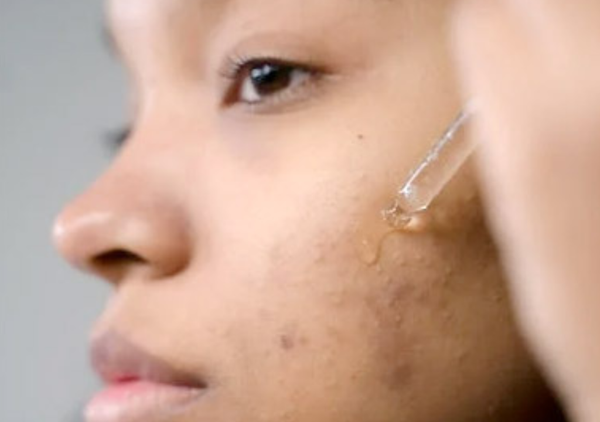
Myth: SPF Can Cause Acne
If you have oily or acne-prone skin, it’s completely understandable to feel cautious about SPF. Some formulas can feel heavy, greasy or uncomfortable, and if you’ve had a bad experience before, you might worry that SPF itself is the problem.
But SPF does not directly cause acne.
Kimberley explains, “It can’t cause acne, but if you use the wrong formulation, like any product, it could clog your pores. If you have oily or acne-prone skin, use non-comedogenic SPF.”
For blemish-prone skin, look for lightweight, oil-free or non-comedogenic SPFs that are designed not to clog pores. Gel textures, fluid formulas and mattifying finishes can be especially helpful if your skin becomes shiny throughout the day.
The right SPF should feel comfortable enough to wear daily, while supporting your skin rather than overwhelming it. Read our guide on SPF for acne-prone skin for more information.
Shop SPF Without The VAT


Whether it’s cloudy, sunny, snowy or raining, your skin still needs daily protection. And once you find the right formula for your skin, SPF becomes less of an extra step and more of an everyday essential.
If you’re unsure which SPF is right for your skin, our experts are here to help you find one that feels comfortable, considered and easy to wear every day.