Teenage Acne: Causes and How It Differs from Adult Acne
With expert advice from Kimberley, our Clinic Manager and Skin Expert, we explore what causes teenage acne, how it differs from adult acne and the simple skincare habits that can help support...

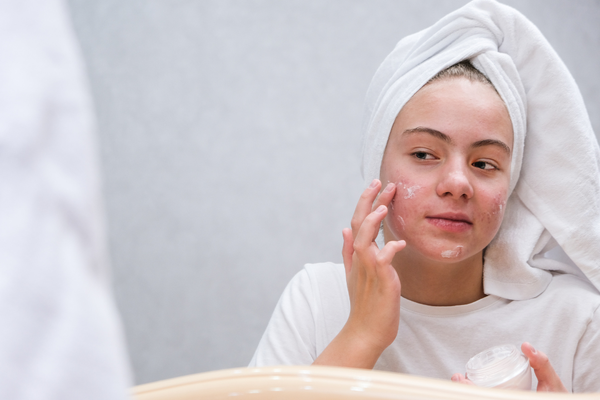
Teenage acne can feel unpredictable. One week your skin feels relatively calm, the next you might be dealing with excess oil, blocked pores or breakouts that seem to have appeared overnight.
The good news is that teenage acne is incredibly common, and understanding why it happens can make it much easier to care for your skin without overcomplicating your routine. With expert insight from Kimberley, our Clinic Manager and Skin Expert, we’re looking at what causes teenage acne, how it differs from adult acne and the simple steps that can help support your skin through puberty.

What Causes Teenage Acne?
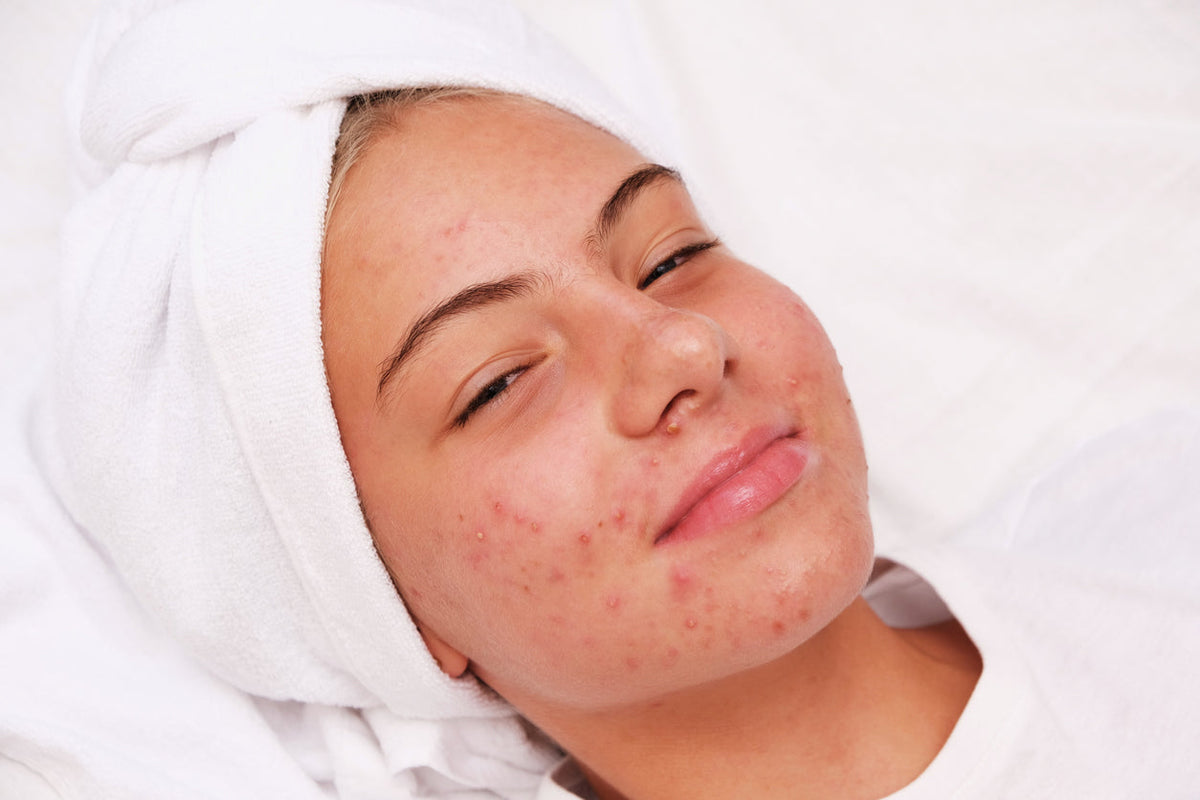
During puberty, hormonal changes can affect how much oil your skin produces. When excess sebum mixes with dead skin cells, pores can become blocked, leading to blackheads, whiteheads and inflamed spots.
Kimberley explains that hormones are an important part of the picture...
“Teenage acne is largely driven by hormonal changes during puberty, which can increase oil production and contribute to blocked pores and inflammation. However, genetics, skincare habits and lifestyle can also influence how frequently breakouts appear.”
Why Are Puberty Spots So Common?
Puberty spots often appear across areas with more oil-producing glands, including the forehead, nose and chin, as well as the chest, shoulders and back.
And while it can be tempting to wash your skin more aggressively when breakouts appear, acne isn’t a sign that your skin is dirty. Scrubbing harder or cleansing more frequently can leave skin feeling irritated without addressing what’s happening beneath the surface.
Teenage Acne vs Adult Acne: What’s the Difference?
Acne isn’t exclusive to the teenage years. Adult acne can continue from adolescence or appear for the first time later in life.
- Teenage acne is commonly linked to the hormonal changes of puberty and increased oil production.
- Adult acne can be influenced by factors including hormonal fluctuations from menopause to pregnancy, stress, lifestyle and changes in your skin over time.
How Long Does Teenage Acne Last?
There isn’t one age when teenage acne suddenly disappears. For some people, breakouts gradually settle as they move through adolescence, while others continue to experience acne into adulthood.
Kimberley says:
“There’s no set timeline for teenage acne. For some, it settles as hormones stabilise; for others, it can continue into adulthood. The earlier you establish a simple, consistent routine, the better positioned skin is to stay healthy while it changes.”

What Is the Best Skincare for Teenage Acne?
As Kimberley explains:
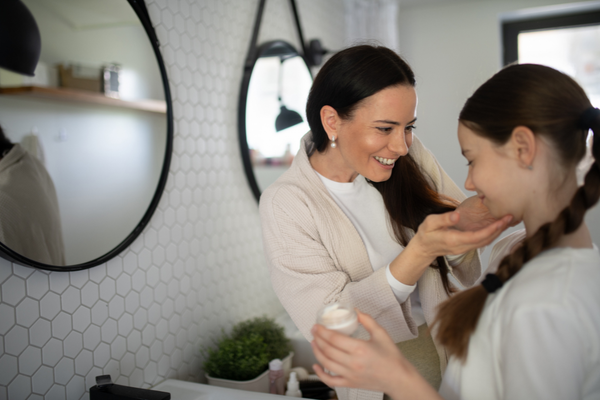
“Keep teenage skincare simple: a gentle cleanser, lightweight moisturiser and daily SPF, with a targeted blemish treatment where needed. The goal isn’t to strip the skin, it’s to support the barrier while managing excess oil and breakouts.”
Kimberley’s Top Picks
[products_embed]
How to Get Rid of Puberty Spots Without Overdoing It
There’s no instant fix for puberty spots, but there are ways to manage breakouts without making already-irritated skin work even harder.
- Avoid picking or squeezing spots, which can increase irritation and post-blemish marks.
- Don’t over-cleanse or repeatedly scrub breakout-prone areas.
- Introduce active ingredients gradually rather than using several treatments at once.
- Keep skin hydrated, yep, even if it feels oily.
- Give products time to work before changing your routine.
- Aim for improvement, not overnight perfection.
Can Supplements Help Teenage Acne?
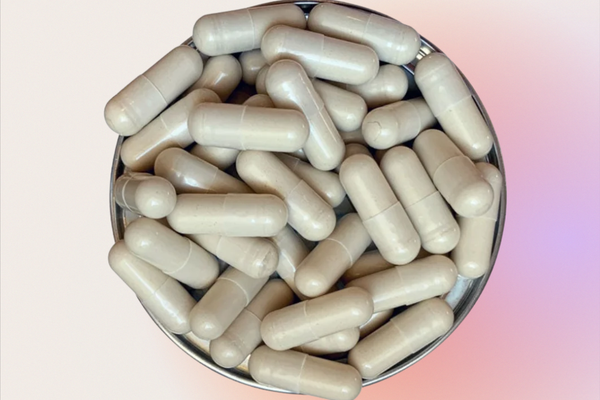
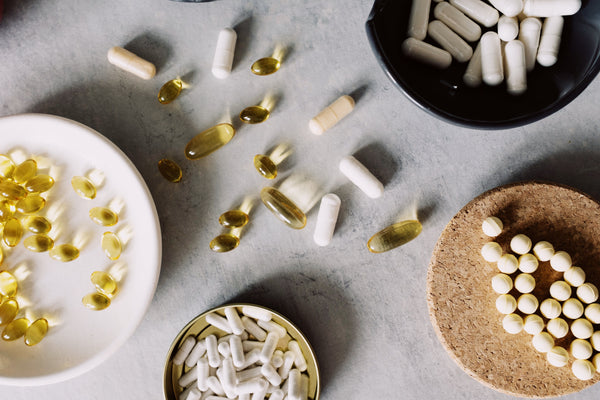
Looking after acne-prone skin can go beyond what you apply topically. Kimberley explains, “With hormonal acne, I always like to look at the skin from the inside out as well as what we’re applying topically. Supplements should work alongside a consistent skincare routine rather than replace it, and for teenagers especially, I’d always recommend getting the right advice before introducing anything new.”
Read here how to use supplements to help treat acne.

When Should You Get Help With Teenage Acne?
If you’re unsure where to start, struggling to choose the right products or simply want help building a manageable teenage acne routine, you can book a skin consultation for personalised advice.
If acne is persistent, painful, severe, causing scarring or isn’t improving with appropriate skincare, speak to your GP. They can assess whether prescription teenage acne treatment or further medical support may be appropriate.